Summer on the water starts here - secure your board today.


If you’re looking into an electric surfboard for the first time, the spec sheets can get overwhelming fast — motor size, battery life, top speed, board weight. What actually matters is stability, control, and how forgiving the board is while you’re finding your feet (literally). Here’s what we’d point a beginner toward, and why.
What actually matters when you’re starting out
Before comparing individual boards, it helps to know what separates a good beginner setup from a frustrating one:
- Board width — a wider deck gives you a bigger, more stable platform to stand on while you get your balance, especially in the first few sessions.
- Throttle control — a board that lets you ease into speed rather than forcing you straight to top speed makes the learning curve far less intimidating.
- Family-friendliness — if more than one person in the house will be riding, a stable, easy-to-learn board makes it easier for everyone to get out on the water an enjoy the experience.
With that in mind, here are three electric surfboards NZ beginners love.
RushWave Rider G3
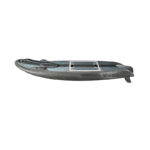
The Rider G3 is a wider board than most in the RushWave range, which makes it noticeably easier to get up and stay standing on, particularly for anyone who’s never ridden an electric surfboard before. That extra width is what makes it a solid pick for families or groups where riders have mixed experience levels — it’s forgiving while you’re still learning to read the board.
RushWave Rider H1
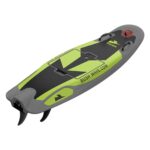
The Rider H1 is a good option if you want a board you won’t outgrow. It’s capable of reaching up to 52 km/h, which is genuinely quick — but because it’s throttle-controlled, you’re not locked into that speed from the first ride. You can start slow, build confidence, and gradually open the throttle up as your balance and control improve. It’s a board that grows with you rather than one you’ll want to upgrade from in a few months.
JetFly JF04
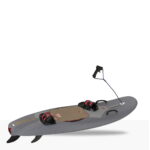
From the JetFly range, the JF04 is another strong beginner-friendly option. Like the RushWave boards above, it’s built to make those first sessions less about fighting the board and more about learning the feel of electric propulsion.
Getting started safely
A few general pointers that apply to any electric surfboard, regardless of brand:
- Always ride with an appropriate personal flotation device.
- Start in calm, open water away from other watercraft and swimmers.
- Get comfortable with low-speed throttle control before opening it up.
Our pick for most NZ beginners
If we had to point one person to one board, it comes down to how you plan to use it. Riding solo and want room to grow into higher speeds? The Rider H1’s throttle range makes sense. Getting the whole family on the water, including less confident riders? The Rider G3’s extra width is the more forgiving starting point. Either way, the JF04 is worth comparing before you decide.
FAQ
Do I need surfing experience to ride an electric surfboard?
No — electric surfboards are propelled by the motor rather than relying on wave power or paddling, which is part of why they’re accessible to complete beginners.
How fast do electric surfboards go?
It varies by model. The RushWave Rider H1, for example, can reach up to 52 km/h, but throttle control means you’re not required to ride at top speed.
Which is better for a family with mixed skill levels — the G3 or the H1?
The Rider G3’s wider deck generally makes it the more forgiving option for less experienced or younger riders, while the H1 suits someone wanting more speed range as they progress.
Not sure which board is right for you?
Get intouch with NextWave Imports and we’ll help you match the right board to your experience level.