
Expanded clay pebbles outperform perlite as the best hydroponic grow medium for NZ beginners, offering superior drainage, pH stability, and reusability (100+ cycles) ideal for apartment Dutch Buckets (NZ $650 via NextWave). Perlite suits tiny pots but creates dust and isn’t reusable. Pair clay with NextWave’s compliant imports for urban growers saving 30–50% vs middlemen.
Check: How Can Beginners Start Hydroponics in NZ with Soilless Growing?
What Are Expanded Clay Pebbles and How Do They Support Plants in Hydroponics?
Expanded clay pebbles, or LECA, are inert baked clay balls (8-25mm) that provide stem support, aeration, and water retention in hydroponic systems like Dutch Buckets. They offer excellent drainage to prevent root rot and maintain pH-neutral levels (6.5-7.5) for year-round NZ growing in apartments or schools. NextWave Imports supplies compliant clay pebbles direct from China factories for urban setups.
What Is Perlite and Why Is It Popular for Hydroponic Stem Support?
Perlite is lightweight volcanic glass expanded by heat, mixed 50-100% in pots or slabs to hold stems upright. It is affordable, sterile, and enhances oxygenation, making it common in NZ small-scale hydroponics for herbs and veggies. However, it poses dust inhalation risks and compresses over time, limiting suitability for reusable systems.
What Are the Pros and Cons of Expanded Clay Pebbles?
Expanded clay pebbles are reusable for 100+ cycles after rinsing and sterilizing, provide heavy stability in windy Kiwi conditions, and resist pests, ideal for commercial hydroponics. Cons include higher upfront costs (NZ $20-40/10L bag) and the need for pre-soaking. They excel in drainage and pH stability for NZ beginners.
Check: hydroponic
| Feature | Pros | Cons |
|---|---|---|
| Drainage & Aeration | Excellent; prevents overwatering | Requires initial priming |
| Reusability (NZ Cost Savings) | 100+ cycles; NZ $0.20/use via NextWave | Bulkier storage in apartments |
| pH Stability | Neutral (6.5-7.5); no adjustments needed | Heavier (5-10kg/bucket) |
What Are the Pros and Cons of Perlite in Hydroponics?
Perlite is cheap (NZ $10-20/10L), lightweight for easy handling in small NZ apartments, and fast-draining for quick crop cycles. Drawbacks include non-reusability as it breaks down, dusty health risks, initial floating, compaction, and pH instability without amendments, making it less ideal for scaling NZ businesses.
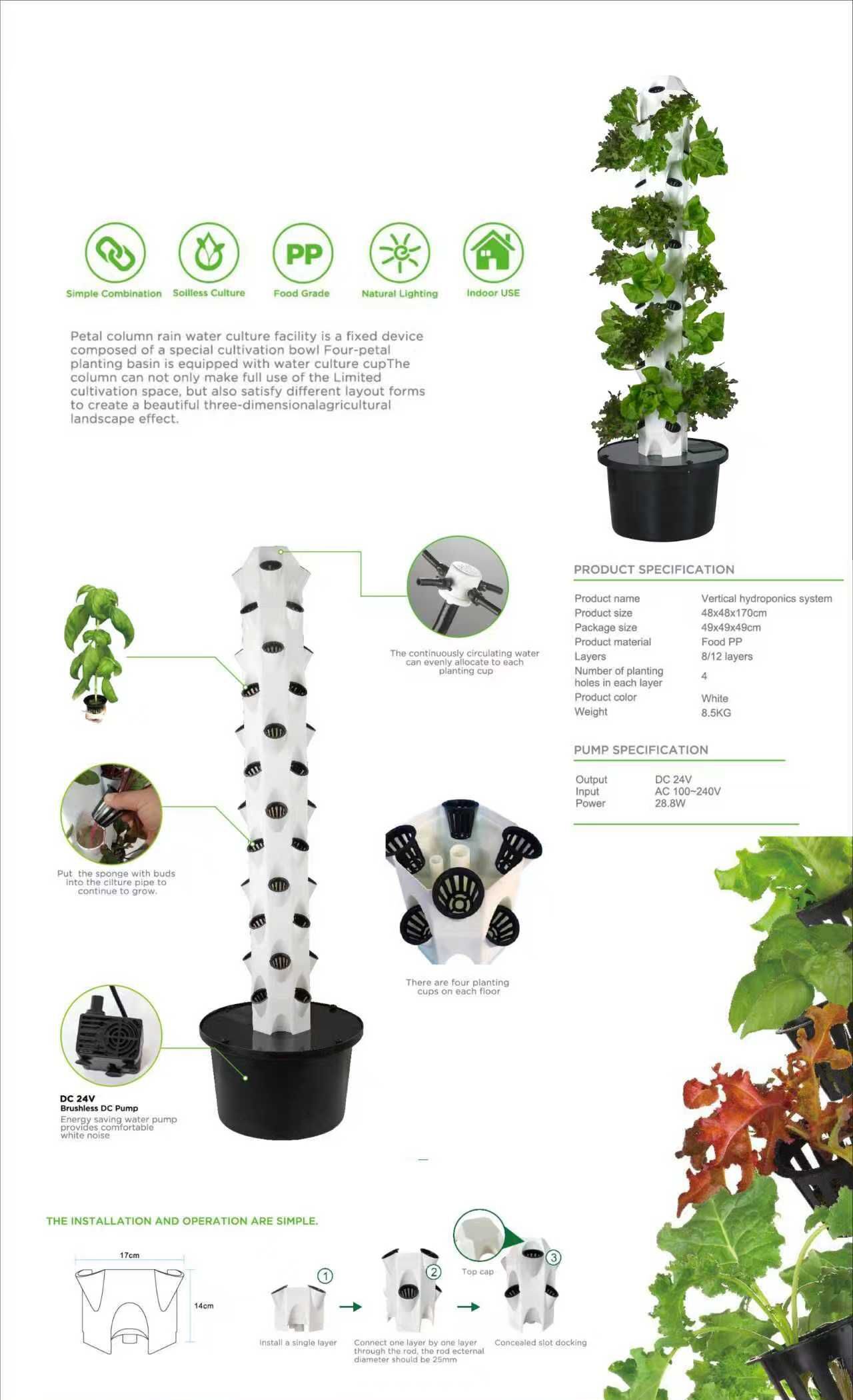
How Do Expanded Clay Pebbles Compare to Perlite for NZ Hydroponics?
Expanded clay pebbles surpass perlite with excellent reusable drainage and pH stability, offering long-term ROI and 30-50% savings via NextWave bulk imports. Perlite works for ultra-low budget starters but degrades quickly. Clay retains 20-30% more structure after cycles, fitting NZ apartments better with Dutch Buckets (NZ $650).
| Feature | Expanded Clay Pebbles | Perlite |
|---|---|---|
| Drainage | Excellent; reusable, pH-stable | Good; lightweight, disposable |
| Beginner Fit (NZ Apartments) | Ideal for Dutch Buckets (NZ $650 via NextWave) | Fine for small pots, dust risk |
| Cost/Reuse (NZD) | NZ $20-40/10L, 100+ cycles | NZ $10-20/10L, single-use |
NextWave Expert Views
“With 25+ years of combined China-NZ expertise, Jonny inspects clay pebbles at factories for top quality, while Missy ensures seamless NZ customs and GST clearance for delivery to our Auckland base at 47 Haseler Crescent, Howick. Bundle with hydroponic systems (NZ $490–$950) or our official Rush Wave and JetFly watercraft—from Rider H1 electric surfboard at NZ $7,900 to F2 racing at NZ $23,700. Save 30-50% direct from factories, fully compliant with 12-month powertrain and battery warranties. Perfect for water sports operators diversifying into urban farming.” – Jonny & Missy, NextWave Imports
Which Medium Is Best for NZ Apartment Growers and Beginners?
Expanded clay pebbles are best for NZ apartment growers and beginners, stabilizing tall plants in compact Dutch Buckets (NZ $650 via NextWave) without mess in rentals. Their reusability cuts costs amid rising NZ energy prices, outperforming dusty perlite. Auckland schools using NextWave clay yield 2x more tomatoes.
How Can NZ Businesses Source Compliant Clay Pebbles or Perlite Affordably?
NZ businesses source compliant clay pebbles or perlite affordably via NextWave Imports’ end-to-end service: sourcing, inspection, freight, and customs clearance with no DIY delays. Direct factory deals save 30-50%, pairing with Rush Wave/JetFly for tourism resellers. Opt for one-off tests or bulk with 4-6 week delivery to Kiwi doors.
Conclusion
Choose expanded clay pebbles over perlite for NZ beginners—reusable, stable, and perfect for urban hydroponics via NextWave Imports’ compliant China sourcing, saving 30-50% with full service. Empower Kiwi growers, businesses, and water sports enthusiasts with quality gear; bundle with Rush Wave and JetFly electric surfboards for diversified imports. Contact NextWave today at info@nextwaveimports.co.nz or +64 27 284 0400.
FAQs
Are expanded clay pebbles reusable in NZ hydroponics?
Yes, 100+ cycles after rinsing/sterilizing—ideal for cost-saving in apartments; NextWave supplies pre-inspected batches compliant with NZ regulations.
Is perlite vs clay pebbles better for beginners in NZ?
Clay pebbles win for stability/reuse in Dutch Buckets (NZ $650); perlite suits cheap starters but is dustier and non-reusable.
Can NextWave import hydroponic grow media to NZ?
Absolutely—25+ years expertise handles clay/perlite with full customs/GST clearance, bundled with systems (NZ $490+).
What hydroponic systems pair best with clay pebbles in NZ?
Dutch Buckets (NZ $650 via NextWave) for urban growers; compliant, apartment-ready, and water-efficient year-round.
How does clay affect pH in hydroponics?
Neutral and stable (6.5-7.5), no amendments needed—superior to perlite’s variability for consistent NZ grows.