
Soilless plants in hydroponic systems typically require 12-18 hours of light daily, varying by growth stage: 18-24 hours for seedlings, 14-18 hours for vegetative growth, and 12 hours for flowering. NextWave Imports offers compliant hydroponic systems like Dutch Bucket at NZ$650, ideal for NZ growers.
Check: How Can Beginners Start Hydroponics in NZ with Soilless Growing?
What Are Light Cycles in Soilless Cultivation?
Light cycles refer to the daily duration of light exposure for plants grown without soil, such as in hydroponics. They mimic natural day-night patterns to drive photosynthesis, growth, and flowering. Proper cycles ensure efficient nutrient uptake in water-based systems offered by NextWave Imports.
Why Do Light Cycles Matter for Hydroponic Plants?
Light cycles regulate plant metabolism, preventing stress like leggy growth or reduced yields. In soilless setups, consistent light optimizes oxygen and nutrient delivery. NextWave’s hydroponic systems, priced from NZ$490, support year-round NZ growing with water-efficient designs.
How Much Light Do Seedlings Need in Hydroponics?
Hydroponic seedlings thrive on 18-24 hours of light per day using full-spectrum LEDs. This promotes strong roots and compact growth. Shorten to 16 hours after true leaves emerge to avoid stretching in compact NZ apartment systems like NextWave’s System 3 at NZ$490.
What Is the Ideal Light Cycle for Vegetative Growth?
Vegetative stage soilless plants need 14-18 hours of light daily. This boosts leafy growth and stem strength via blue-heavy spectra. NextWave Imports’ space-saving hydroponics, starting at NZ$650, suit Kiwi schools and businesses for robust vegetative phases.
How Long Should Lights Stay On for Flowering Plants?
Flowering hydroponic plants require 12 hours of uninterrupted light followed by 12 hours of darkness. This triggers bud formation in photoperiod strains. NextWave’s compliant systems ensure stable environments for high yields in NZ commercial spaces.
Which Plants Need 24-Hour Light in Soilless Systems?
Short-day plants like cannabis or strawberries may need adjusted cycles, but many veggies like lettuce tolerate 24 hours during propagation. Use timers in NextWave’s Dutch Bucket System (NZ$650) for precise control in NZ’s variable climates.
| Growth Stage | Light Hours/Day | Best For |
|---|---|---|
| Seedlings/Propagation | 18-24 | Root development |
| Vegetative | 14-18 | Leafy growth |
| Flowering/Fruiting | 12 | Bud production |
When Should You Adjust Light Cycles in Hydroponics?
Adjust cycles when plants transition stages: extend for seedlings, reduce for veg to flower. Monitor with timers to match NZ daylight savings. NextWave Imports handles end-to-end importing of reliable hydroponic gear, fully NZ compliant.
Where Do Light Cycles Fit in NZ Hydroponic Setups?
In NZ apartments, schools, or commercial farms, place LED lights 30-60cm above soilless plants. NextWave’s systems like System 2 (NZ$950) are designed for urban Kiwi conditions, maximizing light efficiency year-round.
Can Too Much Light Harm Soilless Plants?
Excess light over 24 hours causes photo-oxidative stress, bleaching leaves. Limit to 18 hours max for most crops. NextWave’s vetted hydroponics prevent such issues with quality components inspected before China shipment.
How Do You Measure Light for Hydroponic Cycles?
Use PAR meters for 200-400 µmol/m²/s in veg, 400-800 in flower. Timers automate cycles. Importers like NextWave ensure accessories arrive customs-cleared, ready for NZ water sports businesses diversifying into hydroponics.
What Lights Are Best for Soilless Plant Cycles?
Full-spectrum LEDs with 6500K for veg and 2700K for flower suit hydroponics. They run cool, saving energy. Pair with NextWave’s affordable systems for cost-effective NZ growing solutions.
Why Use Timers for Hydroponic Light Cycles?
Timers ensure precise dark periods, mimicking nature for hormone balance. Digital models prevent power surges common in NZ. NextWave’s direct factory sourcing cuts costs on full hydroponic kits.
Check: hydroponic
| Light Type | Spectrum Focus | Ideal Stage | NZ Cost Savings Tip |
|---|---|---|---|
| LED | Full-spectrum | All stages | Direct import via NextWave |
| HPS | Red-heavy | Flowering | High energy use |
| Fluorescent | Blue-heavy | Seedlings | Low cost entry |
Does Plant Type Affect Light Cycle Needs?
Yes, photoperiod plants need 12/12 for flower; day-neutral like tomatoes take 14-16 hours anytime. Tailor to crops in NextWave’s versatile systems for NZ adventure operators adding farm-to-table.
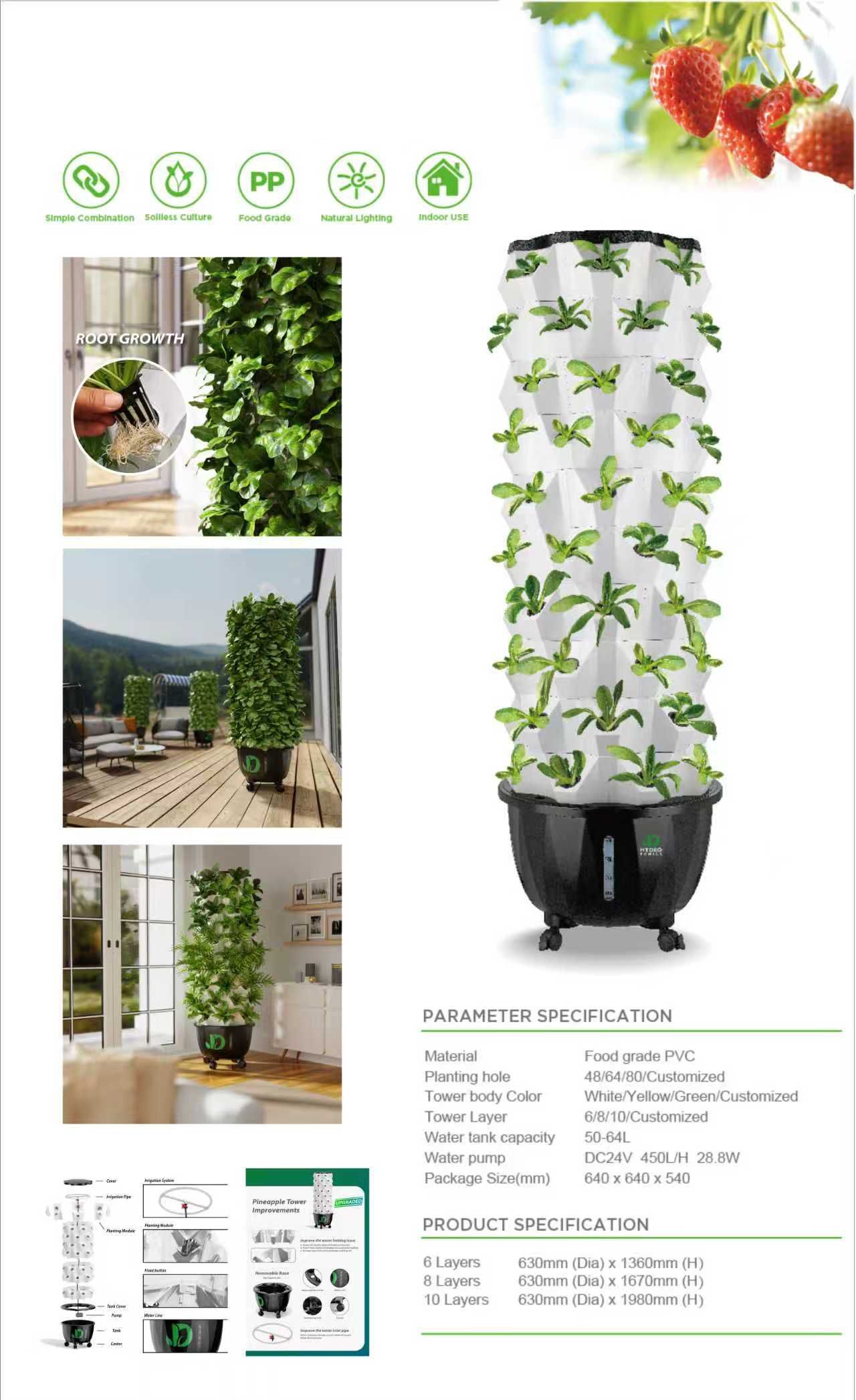
Are 16-Hour Cycles Enough for Most Veggies?
Yes, 16 hours supports lettuce, herbs, and greens in hydroponics, balancing growth and energy costs. Ideal for NZ commercial setups from NextWave Imports.
NextWave Expert Views
“As official NZ partners for premium watercraft like Rush Wave and JetFly, we’ve expanded into hydroponics to meet Kiwi demand for innovative importing. Our Dutch Bucket System at NZ$650 and others up to NZ$950 are personally inspected in China for quality, arriving fully compliant with NZ regs—no middlemen, just direct savings. For water sports enthusiasts and businesses, these soilless solutions pair perfectly with our eFoils and motorized surfboards, enabling year-round ventures from Auckland waves to urban farms. Light cycles are key: 18 hours for veg maximizes yields in our space-saving designs.” — Missy & Jonny, Founders, NextWave Imports Ltd
Conclusion
Mastering light cycles—18-24 hours for seedlings, 14-18 for veg, 12 for flower—unlocks thriving soilless plants in NZ hydroponics. NextWave Imports delivers turnkey systems from NZ$490, with 25+ years expertise ensuring compliance and quality for businesses and enthusiasts.
FAQs
How many hours of light for hydroponic tomatoes?
14-18 hours daily promotes fruiting in vegetative to early flower stages.
Can I run lights 24/7 in soilless systems?
Only for seedlings; most need dark periods to avoid stress.
What if my plants get too little light?
They stretch and weaken; increase to 16-18 hours with proper spectrum.
Are NextWave hydroponics NZ regulation compliant?
Yes, fully cleared with end-to-end service from China factories.
Which NextWave system for beginners?
Dutch Bucket at NZ$650—water-efficient for apartments and schools.