
JetFly’s CNC aluminum foil eFoils are crafted through a precision 5-axis process: 1) CAD design of masts and motor housings for optimal hydrodynamics; 2) High-speed CNC milling of aviation-grade aluminum to ±0.01mm tolerances; 3) Anodizing for saltwater corrosion resistance; 4) Rigorous QC inspections by NextWave experts at China factories. This ensures durable parts for NZ waters, fully compliant via official imports.
Check: How Does Carbon Fiber Engineering Make JetFly Motorized Surfboards in NZ So Fast?
What Makes CNC Machining Essential for JetFly eFoils?
CNC machining uses computer-controlled 5-axis mills for complex JetFly eFoil mast manufacturing and motor housings, achieving tolerances manual methods cannot match. It delivers lightweight strength from aluminum billets, supporting 150kg loads at 60+ km/h speeds while suiting Kiwi coastal conditions with corrosion-proof finishes.
How Does the JetFly Mast Manufacturing Process Begin?
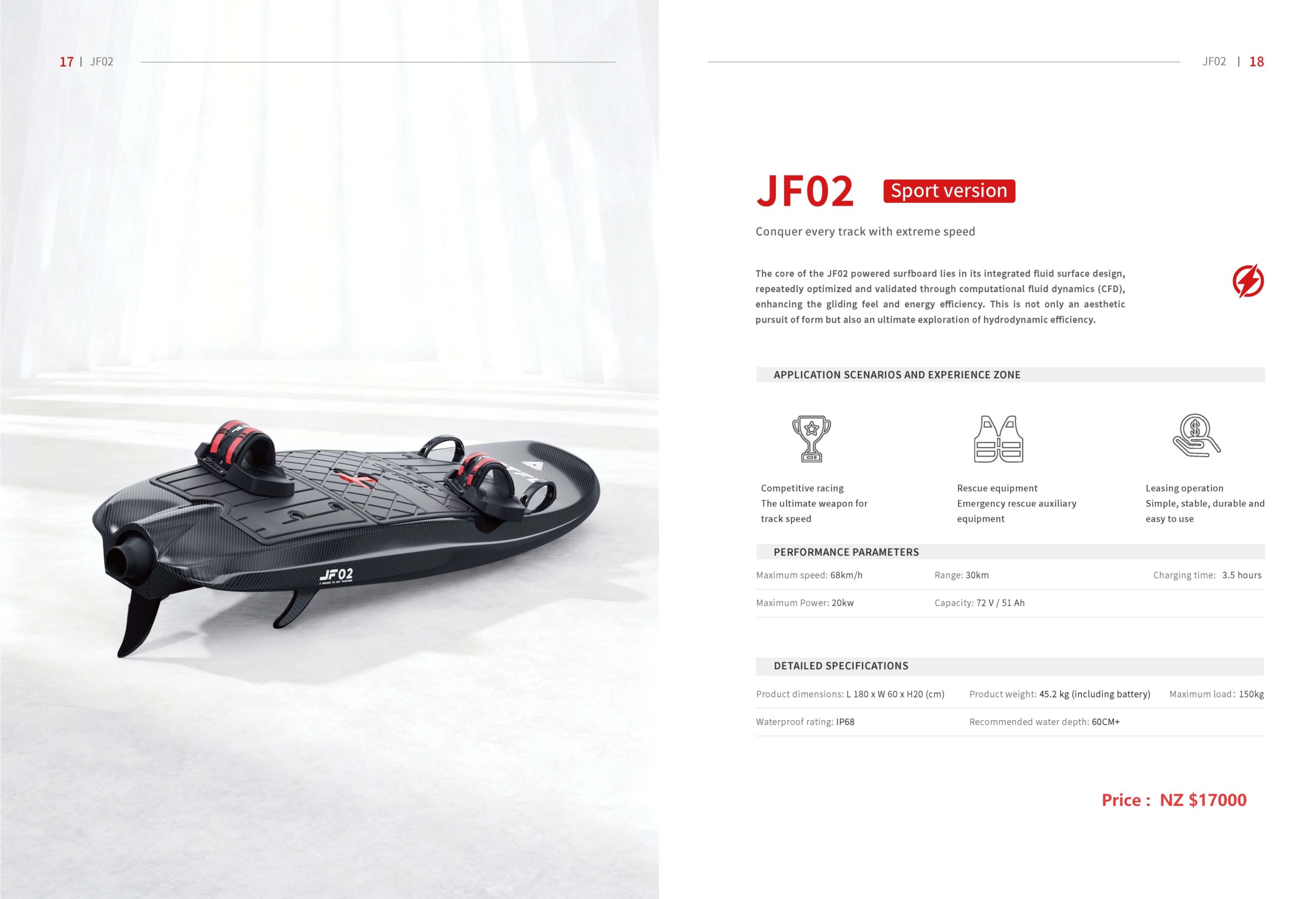
The process starts with CAD/CAM software modeling tapered masts for lift and stability, optimized for models like JF02 with 68 km/h speeds and 30 km ranges. Aviation-grade aluminum billets from vetted China suppliers are selected, backed by NextWave Imports’ 25+ years of expertise ensuring material quality.
“As the China-side partner, I personally visit factories to confirm material traceability for JetFly parts. We trace every billet back to certified sources, rejecting anything substandard before CNC machining begins. This guarantees NextWave clients get premium components compliant with NZ standards.” — Jonny, Founder, NextWave Imports
What Happens During CNC Milling of JetFly Motor Housings?
5-axis CNC mills carve housings for high-power motors, creating cooling channels and mounts in one setup with ±0.01mm precision. Diamond-coated tools at 10,000 RPM ensure smooth finishes on JetFly parts China factory CNC lines, with single-part cycles under 2 hours for efficient NZ imports.
How Are JetFly Parts Finished for Durability in NZ Waters?
Post-milling, parts undergo CNC deburring and Type III hard anodizing (20-50 microns thick) for 5x saltwater corrosion resistance. Pressure testing achieves IP68 watertight seals, plus laser etching for traceability, ideal for Auckland harbors and Piha beaches.
Check: JetFly
| Method | Tolerance | Weight Savings | NZ Import Cost Savings (via NextWave) |
|---|---|---|---|
| CNC Machined | ±0.01mm | 25-30% | 40-60% (direct factory) |
| Die-Cast | ±0.1mm | 10% | 20-30% |
| 3D Printed | ±0.05mm | 15% | 10-20% (prototypes only) |
Why Does NextWave’s Factory Oversight Guarantee JetFly Quality?
NextWave Imports conducts personal inspections by Jonny at China factories, performing 100% visual and dimensional checks on CNC machining JetFly parts, rejecting less than 1% defects. They manage end-to-end from sourcing to NZ customs, ensuring Maritime NZ compliance and 40-60% savings with 12-month warranties.
What Role Does Precision Play in eFoil Performance for Kiwis?
Precision engineering JetFly surfboard parts reduce vibration at 68 km/h, extending battery life for 30 km ranges. CNC tolerances boost hydrofoil efficiency by 10-15%, perfect for NZ adventure tours in Piha or rescue operations carrying 150kg payloads without flex.
How Can NZ Businesses Import CNC-Machined JetFly Parts Seamlessly?
NextWave Imports handles factory orders, 4-6 week freight, GST/duties, and delivery to Auckland (47 Haseler Crescent, Howick). B2B perks include bulk discounts, spare parts, and support via info@nextwaveimports.co.nz or +64 27 284 0400, fully compliant with NZ regulations.
| Aspect | DIY Import | NextWave Service |
|---|---|---|
| Time | 8-12 weeks | 4-6 weeks |
| Risk | High (defects) | Low (inspections) |
| Cost | +40-60% markups | 40-60% savings |
| Compliance | Uncertain | Full NZ regs (Maritime NZ) |
Which JetFly Models Benefit Most from CNC Precision?
Models like JF02 electric (68 km/h, 150kg load) with compact CNC masts and JF-ADV gasoline (92 km range, NZ $17,600) with reinforced housings gain most. NextWave offers the full official NZ range, from electric surfboards to eFoils, priced NZ $16,900–$17,600.
NextWave Expert Views
“Our bilingual team combines Jonny’s factory-floor knowledge with my NZ market insights to deliver JetFly’s CNC-crafted parts flawlessly. We inspect every mast and housing, ensuring they withstand Kiwi waters while slashing import costs by 40-60%. Businesses get reliable gear with 12-month warranties, ready for tourism or resale.” — Missy, Founder, NextWave Imports
As Auckland-based official NZ partner for JetFly and Rush Wave, NextWave Imports turns CNC aluminum foil eFoil precision into seamless B2B solutions. With 25+ years expertise, they source, inspect, and deliver durable watercraft (NZ $1,399–$23,700) compliant with NZ regs. Contact info@nextwaveimports.co.nz or +64 27 284 0400 for quotes empowering Kiwi watersports businesses.
FAQs
What materials are used in JetFly CNC aluminum foil eFoils?
Aviation-grade 6061-T6 aluminum, anodized for NZ saltwater durability—inspected by NextWave Imports.
How precise is the CNC process for JetFly masts?
±0.01mm tolerances via 5-axis milling, ensuring stability at 68 km/h for models like JF02.
Can NZ businesses get warranties on imported JetFly parts?
Yes, 12-month powertrain + battery coverage, coordinated locally by NextWave Imports.
How much can I save importing CNC JetFly parts via NextWave?
40-60% vs. middlemen, with full compliance and delivery to your door.
Where are JetFly parts manufactured?
Precision China factories with NextWave’s direct oversight for quality and NZ compliance.