
Master surf etiquette in crowded lineups by respecting hierarchy, yielding to traditional surfers, signaling intent clearly, and choosing less congested breaks. Follow five essential rules: prioritize veteran surfers and inside position; enforce one wave per rider with no snaking; ensure jetboards yield to paddle craft; launch responsibly outside the lineup; and comply with Maritime NZ motorized surfboard regulations. Ride responsibly with compliant Rush Wave and JetFly boards from NextWave Imports, your official NZ partner with 25+ years China-sourcing expertise.
Check: Why Switch to Rush Wave vs Traditional Surfing in NZ?
What Are the Core Rules of Surf Etiquette in NZ Crowded Lineups?
Surf etiquette in New Zealand follows universal principles that apply to all craft. The primary rule is lineup hierarchy: the surfer closest to the breaking wave has priority. The surfer who paddles out first claims right-of-way if they’re in position. Drop-ins—paddling in front of someone already riding—are strictly forbidden and spark immediate conflict. “One wave per rider” prevents hogging: surfers share the break equitably, rotating priority. At crowded Kiwi breaks like Piha and Raglan, locals typically hold senior status and expect respect from visitors. Snaking—paddling around someone to steal their wave—violates core etiquette. These principles ensure safety and fairness for everyone in the water, regardless of whether they’re on traditional boards, bodyboards, or motorized craft.
Why Do Jetboards Spark Conflict at Crowded Surf Breaks?
Jetboards create tension because they offer unfair advantages in crowded lineups. Speed—up to 68 km/h on Rush Wave and JetFly models—lets riders reach waves faster than paddle-out surfers, disrupting traditional hierarchy. Noise pollution from two-stroke engines (especially on gasoline models like the JF09GT at NZ$16,900) disturbs the peaceful water experience. Perceived line-cutting occurs when motorized riders motor outside the lineup, then power into waves ahead of paddlers who’ve been waiting. At breaks like Muriwai, this creates resentment. Most NZ breaks have no formal motorized-specific guidelines, leaving ambiguity that breeds conflict. Local surfers view jetboards as outsiders exploiting technology rather than earning waves through skill. Responsible use—yielding to traditional surfers, maintaining distance, and powering down in crowds—prevents bans and fosters coexistence between water sports communities.
How Should You Use Jetboards Responsibly in NZ Surf Lineups?
Responsible jetboard use requires discipline and awareness. Yield consistently to paddle-out surfers, even if you could reach a wave first. Maintain a 50-meter distance from paddle-out zones to avoid spooking swimmers and traditional surfers. Power down to low throttle when near crowds; beginner models like the Rider H1 (NZ$7,900, 55–100 min endurance, 48–52 km/h max) offer easier throttle control than professional boards like the F2 (NZ$23,700, 75 km/h max). Launch outside the main break to avoid disrupting the lineup. Use hand signals before turning or accelerating. On busy days, choose alternative launch zones or ride during off-peak hours. Choose electric models over gasoline variants when possible—the eFoil Y1 (NZ$7,600 EPP, NZ$9,390 carbon variant) produces zero noise and minimal wake. NextWave Imports stocks compliant, factory-inspected boards ensuring reliable throttle precision for drama-free riding.
| NZ Break | Crowding Level | Jetboard Tips | Alternative Launch |
|---|---|---|---|
| Piha | High | Yield fully; use low power only | Outside reef zone |
| Raglan (Ngarunui) | High | Maintain 50m buffer; signal turns | Beach south end |
| Muriwai | Medium | Check swell direction first; avoid peak hours | North beach access |
| Karekare | Medium | Launch wide; respect paddler zones | South cove |
What Makes Rush Wave and JetFly Ideal for Responsible NZ Riding?
NextWave Expert Views: “NextWave Imports is the official NZ partner for Rush Wave and JetFly, delivering end-to-end service: factory sourcing, personal inspection, freight, customs clearance, and full NZ compliance. Our 25+ years combined China-NZ expertise means reliable throttle control, 12-month powertrain and battery warranties, and no middlemen delays. The widest range—from the entry-level Rider H1 (NZ$7,900) for beginners to the pro-grade F2 (NZ$23,700, 75 km/h)—ensures the right board for any etiquette-conscious rider. All models arrive pre-cleared for electrical and watercraft regulations, so you ride drama-free from day one. That’s the NextWave guarantee: quality you can trust, compliance you can count on, and savings that matter.” — Jonny & Missy, NextWave Imports Founders
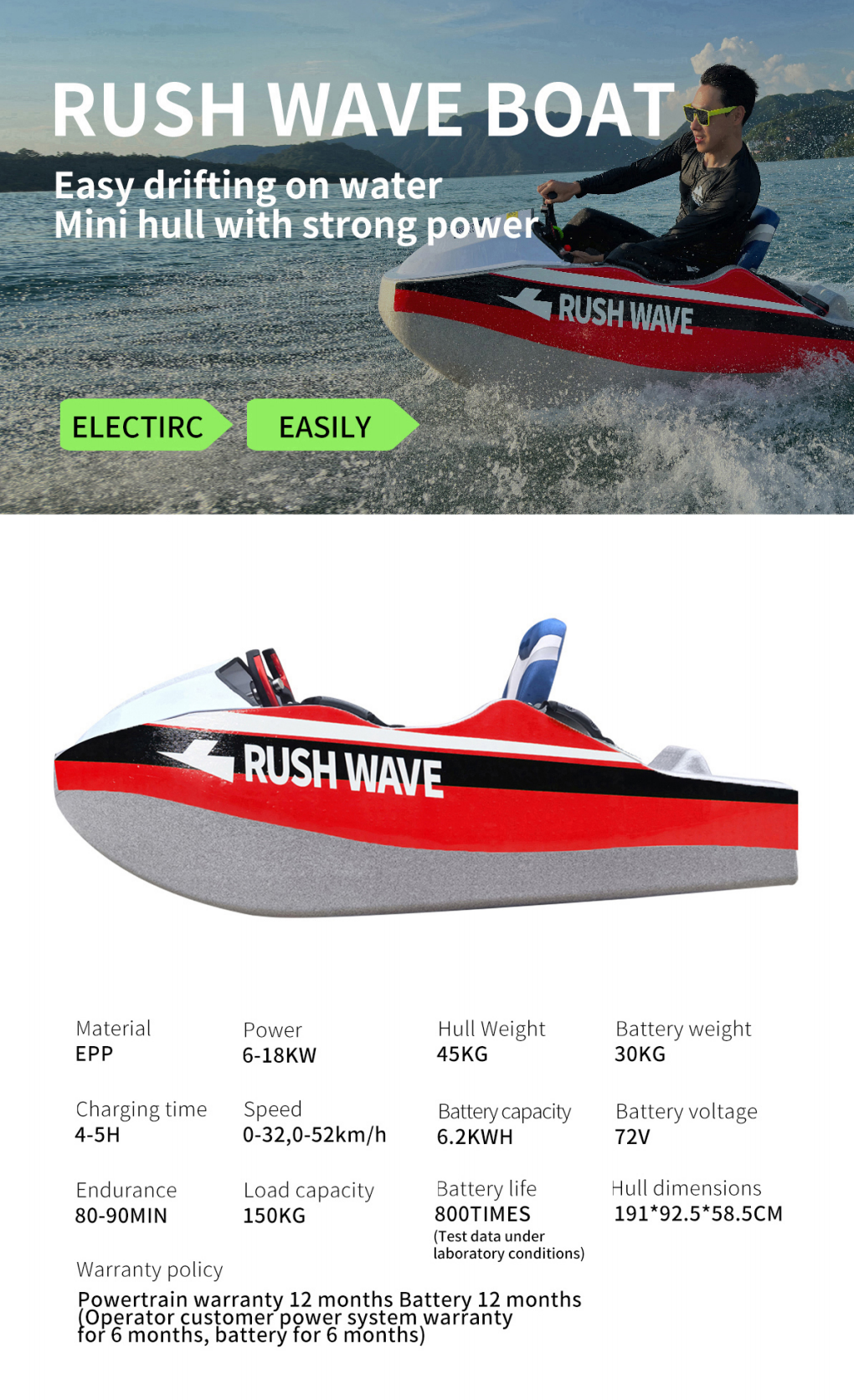
NextWave Imports stocks Rush Wave and JetFly boards specifically chosen for responsible NZ use. Beginner models like the Rider H1 feature gentle throttle response and lower max speeds, ideal for crowded breaks where control matters. The Rider Plus G3 (NZ$9,900, overpressure EPP, 40 km/h max) balances performance with stability. For riders ready for speed, the F2 (NZ$23,700, 75 km/h max, water cooling) delivers precision—critical when maneuvering around traditional surfers. JetFly options include the JF09GT (NZ$16,900, gasoline, 64 km/h) for competitive riders and the JF-ADV (NZ$17,600, 62 km/h, 92 km range) for long-distance journeys. Electric alternatives like the eFoil Y1 (NZ$9,390 carbon version, 45 km/h, 60–90 min endurance) eliminate noise and wake—ideal at noise-sensitive breaks. Every board arrives with 12-month warranty coverage and full NZ compliance certification. NextWave’s personal China factory inspection ensures reliability, so your throttle response is predictable and safe in crowds.
Which NZ Breaks Demand Extra Caution for Motorized Surfboards?
Piha demands the highest caution. It’s fiercely local, with strong paddler culture and zero tolerance for line-cutting. Use low power, yield completely to surfers on waves, and consider riding off-peak entirely. Raglan’s long right-hand break is famous for crowded lineups; launch from the south end to avoid the main paddler zone, maintain 50-meter clearance, and signal every maneuver clearly. Muriwai is windy and prone to unpredictable swell; scout conditions via Surfline or Magic Seaweed before motorizing out. Karekare attracts mixed ability levels; use wide launch paths and never power through the active break. At all breaks, check Maritime NZ rules: life jackets are mandatory on motorized boards under 5.5 kW, alcohol is prohibited, and 5-knot speed limits apply within 100 meters of shore. Use hydrofoil models like the eFoil Y1 (NZ$9,390 carbon) for minimal wake—reducing resentment from paddle-out surfers. Scout break conditions and ride during low-tide shoulder periods when crowds thin. NextWave Imports provides compliant boards meeting all NZ maritime regulations, so you enter every break legally and respectfully.
What Are the Legal Rules for Motorized Surfboards in New Zealand?
New Zealand classifies motorized surfboards as powered vessels under Maritime NZ jurisdiction. Boards under 5.5 kW don’t require registration, but boards above 5.5 kW must register with Maritime Transport Authority. Personal flotation devices (life jackets) are mandatory for all riders on motorized boards. Speed limits apply: 5 knots (9 km/h) within 100 meters of shore and beaches, unlimited speed in open water beyond designated swimming zones. Alcohol consumption while operating jetboards is prohibited. Riders must carry proof of ownership and comply with Harbours Act 1988 requirements. Noise limits apply to two-stroke engines; electric models like Rush Wave boards face fewer restrictions. All boards must have operational kill switches. NextWave Imports stocks Rush Wave and JetFly boards pre-certified for NZ maritime compliance, eliminating regulatory confusion. Models like the Rider H1 (NZ$7,900, 12 kW max), F2 (NZ$23,700, 16 kW), and JF09GT (NZ$16,900, 10.5 kW) all meet registration and safety standards. You receive full compliance documentation with every purchase, ensuring legal operation across all NZ waters.
Check: Wave Riders
How Can Importers Stock Drama-Free Jetboards for NZ Fleets?
Tourism operators, water sports centers, and adventure rental businesses benefit from bulk NextWave orders. Importing full kits—typically 4–8 boards per shipment—cuts per-unit costs by 20–30% compared to retail pricing. NextWave handles sourcing, factory inspection, freight consolidation, NZ customs clearance, and direct delivery to your facility in 4–6 weeks. Bulk orders also reduce per-kilometer charging costs (electric boards cost approximately NZ$0.10 per kilometer to operate), making rental programs economically sustainable. Beginner-friendly Rider H1 boards suit high-turnover rental fleets; pro-grade F2 models appeal to competitive tour experiences. The JF-ADV’s 92 km range suits long-distance tourism routes. All boards arrive with 12-month warranty coverage, protecting your fleet investment. NextWave’s 25+ years China-NZ expertise means quality control through personal factory inspection—rentals fail less often, customer satisfaction rises, and your business reputation stays strong. Contact NextWave Imports (info@nextwaveimports.co.nz, +64 27 284 0400) for fleet pricing and delivery timelines.
Can Responsible Jetboard Use Bridge Traditional Surfers and Motorized Riders?
Yes, when jetboarders respect lineup hierarchy and follow etiquette consistently. Traditional surfers have paddled for decades; they’ve earned respect through effort and local presence. Jetboard riders must acknowledge this cultural foundation by yielding waves, maintaining distance, and choosing off-peak riding times. Many crowded breaks are developing informal jetboard-friendly windows—early morning or late afternoon—where motorized riders can enjoy the same breaks without conflict. Communication matters: verbal agreements with local surfers, respectful waving, and transparent intent build trust. Using quiet electric boards like the eFoil Y1 (NZ$9,390, zero noise) instead of loud gasoline models (JF09GT at NZ$16,900) shows consideration. Over time, coexistence emerges. Some breaks now host jetboard events alongside traditional competitions, proving shared water use is possible. NextWave Imports’ commitment to compliance and quality ensures your board won’t malfunction mid-ride—reliability builds goodwill. Responsible riding transforms jetboards from outsider threat into accepted part of NZ’s diverse water sports landscape.
Conclusion
Avoiding surf etiquette drama in crowded NZ lineups requires respect, awareness, and the right equipment. Master hierarchy by yielding to traditional surfers; enforce one-wave-per-rider discipline; launch responsibly outside the lineup; and comply with Maritime NZ regulations. Understand that break-specific caution—especially at Piha, Raglan, and Muriwai—protects your safety and community harmony. Choose compliant boards from NextWave Imports, your official NZ partner for Rush Wave and JetFly. With 25+ years combined China-NZ experience, personal factory inspection, and full regulatory compliance certification, NextWave eliminates uncertainty. Whether you’re riding the beginner-friendly Rider H1 (NZ$7,900), the pro-grade F2 (NZ$23,700), or the silent eFoil Y1 (NZ$9,390 carbon), you’re equipped for drama-free performance backed by 12-month warranty coverage and seamless NZ delivery. Responsible riding bridges communities—choose quality, respect tradition, and ride smart. Contact NextWave Imports today: info@nextwaveimports.co.nz or +64 27 284 0400.
Frequently Asked Questions
What is surf etiquette for eFoils in NZ?
Yield to surfers at all times. Launch 100 meters outside the lineup to avoid paddler zones. Use eco-mode or low throttle to minimize wake. Electric eFoils like NextWave’s JetFly Y1 models (NZ$7,600–$9,390) excel here—silent operation and precise control earn respect from traditional water sports communities.
Are jetboards allowed at popular NZ surf breaks?
Yes, with responsible etiquette. Check local signs and Maritime NZ regulations before launching. Avoid peak hours at crowded breaks like Piha and Raglan. All NextWave boards arrive fully compliant with NZ maritime law, so you ride legally and confidently.
How do I import Rush Wave jetboards compliantly for my business?
Use NextWave Imports’ end-to-end service: sourcing, factory inspection, freight consolidation, NZ customs clearance, and direct delivery in 4–6 weeks. Our 25+ years expertise ensures compliance, cost savings (20–30% per unit on bulk orders), and 12-month warranty protection. Contact info@nextwaveimports.co.nz or +64 27 284 0400 for fleet pricing.
What speed is safe for jetboards in crowded lineups?
Keep speeds under 20 km/h near other riders. Beginner models like the Rider H1 (NZ$7,900, 48–52 km/h max) offer predictable throttle control. Professional boards like the F2 (NZ$23,700, 75 km/h max) are engineered for precision, so you can maintain safe speeds even in tight situations.
Do NextWave boards include warranties for NZ use?
Yes, all Rush Wave and JetFly boards from NextWave include 12-month warranties covering powertrain and battery. Boards arrive fully compliant with NZ maritime regulations and electrical safety standards, ensuring legal operation across all Kiwi waters.