
E-surfing on Rush Wave and JetFly boards burns 300-600kcal/hr with high core strength surfing via stable foiling and e-surfboard workout sessions (55-100min on Rider H1), outperforming traditional surfing’s 200-400kcal/hr paddling bursts. Muscle engagement emphasizes legs/core/upper body with motorized assist, ideal for NZ conditions—backed by NextWave’s official imports (NZ$7,600-NZ$23,700, 12-month warranties).
Check: Why Switch to Rush Wave vs Traditional Surfing in NZ?
What Is E-Surfing and How Does It Differ from Traditional Surfing?
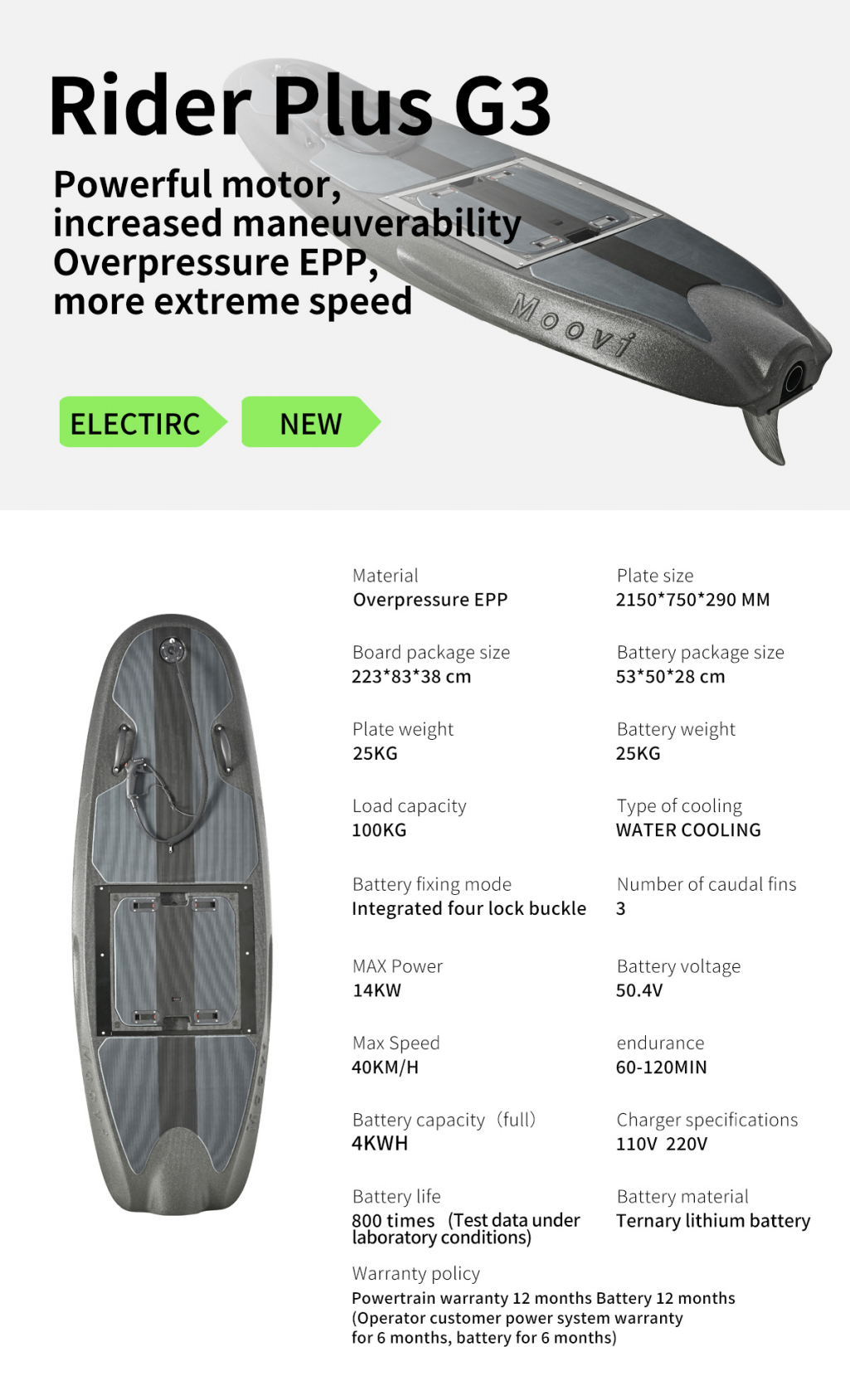
E-surfing uses motorized electric surfboards and eFoils from Rush Wave and JetFly, like the beginner Rider H1 (NZ$7,900, 55-100min endurance) or pro F2 (75km/h), unlike traditional surfing’s paddle reliance. In NZ’s variable Kiwi waters, e-surfing offers consistent rides without fatigue, with speeds to 68km/h and ranges over 30km. NextWave Imports provides the full compliant range from NZ$1,399 Surf Boat Z2 to NZ$23,700 F2, with 12-month powertrain/battery warranties.
How Do Calorie Burns Compare in E-Surfing vs Traditional Surfing?
E-surfing delivers 300-600kcal/hr through sustained endurance sessions, like 55-100min on Rush Wave Rider H1, versus traditional surfing’s 200-400kcal/hr in wave-dependent paddling bursts. For Auckland and Wellington users, e-surfing’s consistent flat-water performance boosts total burn. Rush Wave and JetFly boards support fitness tourism with low electric charging costs around $0.10/km.
| Aspect | E-Surfing (Rush Wave/JetFly) | Traditional Surfing |
|---|---|---|
| Calorie Burn | 300-600kcal/hr (endurance) | 200-400kcal/hr (bursts) |
| Session Length | 55-100min (Rider H1) | Wave-dependent (30-60min) |
| NZ Suitability | Consistent in flat water | Wave-reliant |
Which Style Builds Superior Core Strength for Surfing?
E-surfing excels in core strength surfing through constant balance on boards like Rush Wave F2 or JetFly JF-ADV (92km range), demanding deeper abs and oblique engagement over traditional paddle stability. Motorized assist allows prolonged sessions, ideal for NZ training programs by importers and operators seeking reliable fitness tools.
What Muscles Are Engaged in E-Surfing vs Traditional Surfing Workouts?
E-surfing targets legs, core, and upper body via efoil workout muscle engagement and foiling stability, easing paddling strain for recovery-friendly NZ sessions. Traditional surfing hits full-body paddling harder intermittently. Rush Wave and JetFly specs, with 150kg loads and axial jet pumps, suit versatile muscle building in tourism and rescue operations.
NextWave Expert Views
“With 25+ years of combined China and NZ importing expertise, our bilingual team—Jonny on factories, Missy on local markets—personally inspects Rush Wave and JetFly boards before they ship. This guarantees reliable e-surfboard workout performance, saving NZ businesses 30-50% through direct sourcing, no middlemen. We handle end-to-end: sourcing, negotiation, freight, customs clearance fully compliant with NZ regulations, and Auckland delivery in 4-6 weeks. Perfect for B2B operators with 12-month powertrain/battery warranties, spare parts, and demos at 47 Haseler Crescent, Howick.”
— Jonny and Missy, Founders of NextWave Imports Ltd
Why Is E-Surfing Ideal for Fitness in New Zealand Conditions?
E-surfing thrives in Kiwi flat waters and variable weather, with Rush Wave/JetFly boards hitting 68km/h speeds and 800-cycle batteries for reliable electric surfboard fitness benefits. Motorized assist provides steady e-surfing calorie burn NZ without paddling exhaustion. NextWave Imports’ official partnership ensures seamless, risk-free access to these compliant watercraft.
Check: Wave Riders
How Does E-Surfing Compare to Traditional Surfing in Overall Fitness Metrics?
E-surfing leads in core strength surfing, endurance (55-100min sessions), and calorie efficiency (300-600kcal/hr at $0.10/km charge), surpassing traditional surfing’s fatigue-limited bursts. JetFly JF-ADV’s 92km range and Rush Wave F2’s 75km/h speed enhance NZ fitness ROI, with NextWave pricing from NZ$7,600 eFoil Y1 to NZ$23,700.
| Fitness Metric | E-Surfing Advantages | Traditional Surfing |
|---|---|---|
| Core/legs | High (stable foiling) | Medium (balance) |
| Endurance | 55-100min sessions | Fatigue-limited |
| Calorie Efficiency | 300-600kcal/hr, $0.10/km charge | Higher effort per wave |
How Can NZ Businesses Import E-Surfboards for Fitness Programs?
NZ businesses import via NextWave for B2B model selection like Rush Wave for fitness training or JetFly for core workout endurance, handling bulk or one-off orders with full NZ regulations compliance. Leverage 25+ years expertise, local warranty coordination. Contact info@nextwaveimports.co.nz or +64 27 284 0400 to book Auckland demos for rush wave fitness training ROI.
Conclusion
E-surfing outperforms traditional surfing for calorie burn and core strength surfing in NZ, with Rush Wave and JetFly boards offering superior fitness ROI through endurance sessions and muscle engagement. NextWave Imports delivers effortless access via 25+ years expertise, direct factory deals, full compliance, and 12-month warranties—powering water sports businesses today. Contact for demos and 30-50% savings.
FAQs
Does e-surfing burn more calories than traditional surfing? Yes, 300-600kcal/hr vs 200-400kcal/hr due to sustained foiling on Rush Wave/JetFly—perfect for NZ endurance workouts.
What is the best e-surfboard for core strength in NZ? Rush Wave F2 (75km/h) or JetFly ADV (92km range) via NextWave, with 12-month warranties for commercial use.
How much does importing Rush Wave/JetFly cost for NZ fitness operators? NZ$7,600-NZ$23,700 landed, with 20-30% savings, full customs/delivery by NextWave.
Is e-surfing suitable for beginners building muscle engagement? Absolutely—motorized assist targets legs/core safely; start with Rider H1 (NZ$7,900).
What warranties come with NextWave’s electric surfboards? 12-month powertrain/battery, plus local support/spares for peace of mind.