
Yes, you can build a functional DIY hydroponics system under NZ $100 using a deep water culture (DWC) setup: two 20L food-grade buckets ($25), submersible pump and air stone ($20), rockwool and net pots ($15), pH/EC meter ($20), hydroponic nutrients ($15), and tubing ($5). DWC beats NFT on startup costs by eliminating complex piping—ideal for budget-conscious Kiwi apartment growers scaling toward professional systems.
Check: NFT vs. DWC: Choosing the Right Hydroponic System for Beginners
What Is a DIY Hydroponics System and Why Choose DWC for Beginners in NZ?
A DIY hydroponics system grows plants without soil, delivering nutrient-rich water directly to roots. Deep Water Culture (DWC) suspends roots in oxygenated nutrient solution—the simplest method for New Zealand beginners. Kiwi growers favour hydroponics for space-saving apartment setups, water efficiency aligned with NZ regulations, and yields 2-3 times faster than traditional soil growing, particularly for lettuce and herbs.
How Much Does a Budget Hydroponic Setup Really Cost in NZ?
A DWC system costs approximately NZ $100 total, while NFT (Nutrient Film Technique) systems run NZ $165+. DWC requires fewer components—simple buckets and one air pump versus NFT’s multi-line piping systems. Budget breakdown shows reservoir buckets at $25, aeration equipment at $20, growing medium at $15, testing equipment at $20, nutrients at $15, and tubing at $5. DWC saves roughly 40% on entry costs compared to alternative hydroponic methods.
| Component | DIY DWC Cost (NZD) | DIY NFT Cost (NZD) | Notes |
|---|---|---|---|
| Reservoir | $25 | $40 | Buckets vs. commercial trays |
| Pump & Aeration | $20 | $35 | Single pump vs. multi-line system |
| Growing Medium | $15 | $15 | Rockwool & net pots |
| pH/EC Testing | $20 | $20 | Digital meter |
| Nutrients | $15 | $15 | Hydroponic formula |
| Tubing & Fittings | $5 | $40 | Basic vs. complex piping |
| Total | $100 | $165 | DWC saves 40% |
When sourcing locally in New Zealand, prioritise food-grade buckets from Mitre 10 or similar retailers to avoid import duties. Factor in GST (15%), which adds approximately NZ $15 to your total investment. Purchasing components from local hydroponic stores or online retailers shipping to New Zealand minimises delays and compliance concerns.
What Materials Do You Need for a Cheap DWC Hydroponics System?
Essential materials for a budget DWC system include: two 20L food-grade buckets ($25 from Mitre 10), 400L/hour submersible pump with air stone ($20 from local pump suppliers), ten net pots and rockwool cubes ($15 from hydroponic retailers), digital pH/EC meter ($20, available via AliExpress with NZ shipping), 1L hydroponic nutrient solution ($15, grow and bloom formulas), LDPE tubing ($5), drill bits for net pot holes ($5), and an optional timer ($10). Begin with four to six plants—lettuce or basil—for apartment-scale testing before expanding capacity.
Critical point: only use food-grade plastic containers to comply with New Zealand water safety standards. Non-food-grade plastics may leach chemicals into your nutrient solution, compromising plant health and regulatory compliance. Reusable components keep your initial investment under NZ $100, with nutrients as the primary recurring cost.
How Do You Assemble a DIY Deep Water Culture System Step-by-Step?
Steps 1–3: Drill five holes in both bucket lids—four corner holes for net pots, one central hole for the air line. Assemble the submersible pump and air stone inside the lower reservoir bucket, ensuring tubing reaches the grow bucket above.
Steps 4–6: Plant pre-germinated seedlings into rockwool cubes, nestle rockwool into net pots, and place net pots through bucket lid holes. Fill the reservoir with pH-balanced nutrient water (target pH 5.5–6.5) at quarter strength during week one to allow root acclimation.
Steps 7–8: Stack the grow bucket atop the reservoir, switch on continuous 24/7 aeration, and monitor electrical conductivity (EC) levels between 1.0–2.0. Position a repurposed LED shop light or grow light above the canopy. Ensure all electrical connections use GFCI-protected outlets to meet New Zealand safety standards.
How Do You Maintain Your Hydroponics System at Home in NZ?
Daily: Check pH and EC levels each morning, topping up water to replace evaporation (10–20% daily loss in NZ summer conditions). Inspect the air stone for blockages.
Weekly: Replace 20% of the nutrient solution, prune any excessive root growth to prevent pump clogs, and clean the air stone with a soft brush to maintain oxygen delivery.
Troubleshooting: Yellowing leaves signal nutrient deficiency—increase EC slightly. Algae growth indicates excess light exposure on the water surface—cover buckets with opaque material or paint sides black. Expected yields from a six-plant DWC system: approximately 1 kg of fresh lettuce monthly under consistent lighting and nutrient management.
When Should You Upgrade from DIY to Professional Hydroponics Systems?
Upgrade to professional systems once your DIY setup consistently produces harvests and demand exceeds apartment-scale capacity. Commercial hydroponic systems offer automated nutrient delivery, environmental controls, and significantly higher yields supporting commercial operations or larger properties. NextWave Imports supplies scalable professional hydroponic solutions sourced directly from trusted Chinese factories, eliminating middlemen and reducing costs by 30–50% compared to retail alternatives.
NextWave’s Dutch Bucket hydroponic system, priced from NZ $490, supports 50+ plants with automated irrigation—a dramatic step up from your NZ $100 DIY setup accommodating 4–6 plants. Professional systems arrive fully compliant with New Zealand regulations, personally inspected before shipment, and delivered directly to your Auckland location or nationwide.
NextWave Expert Views
“DIY hydroponics teaches principles and validates demand, but commercial scaling demands expertise,” explains Missy, NZ market specialist at NextWave Imports. “Our 25+ years sourcing agricultural technology from China factories—combined with Jonny’s factory-floor knowledge—means your business imports compliant, inspected systems at wholesale pricing. We handle sourcing, negotiation, inspection, freight, customs clearance, and delivery. Whether you’re testing lettuce in an apartment or provisioning a farm network, NextWave removes middlemen and guarantees quality. As official New Zealand partners for Rush Wave eFoils (NZ $1,399–$23,700) and JetFly motorised surfboards, we extend that same end-to-end service to hydroponic infrastructure. Contact us at info@nextwaveimports.co.nz or +64 27 2840400 for tailored sourcing quotes.”
What Are Common Mistakes in Building Hydroponics at Home in NZ?
Over-nutrient dosing: Excessive nutrients burn roots and degrade water quality. Start at half the recommended strength and gradually increase based on plant response and EC readings.
Inadequate oxygenation: Roots suffocate without dissolved oxygen. Always include an air stone and run aeration 24/7; stagnant water breeds root rot and fungal disease.
Temperature negligence: New Zealand’s variable climate affects nutrient uptake. Maintain water temperature between 18–24°C using shade cloth in summer and insulation in winter.
Ignoring pH stability: pH drift outside 5.5–6.5 locks up nutrients. Test twice daily initially, then adjust frequency as your system stabilizes.
Poor electrical safety: All connections must use GFCI-protected outlets and weatherproof casings to comply with New Zealand electrical standards and prevent water-related hazards.
How Can You Scale Your DIY Setup to Commercial Operations via NextWave Imports?
Scaling from your NZ $100 hobby system to commercial production through NextWave Imports involves importing bulk hydroponic equipment sourced directly from Chinese factories. NextWave manages the entire process: identifying compliant suppliers, negotiating wholesale pricing (30–50% savings versus retail), personally inspecting systems before shipment, arranging freight, clearing NZ customs, and delivering to your Auckland premises or nationwide location.
Check: Hydroponic System
Timeline: 2–4 weeks from order confirmation to delivery. For agricultural businesses, NextWave supplies the same professional standards applied to our official Rush Wave and JetFly product lines. Bulk orders qualify for fleet discounts and tailored configurations. Simultaneously, explore NextWave’s wider import services—whether you’re sourcing hydroponic systems, renewable energy equipment, or expanding into water sports operations, our bilingual team (Jonny’s China factory expertise plus Missy’s NZ market knowledge) eliminates middlemen and guarantees quality compliance.
Are There Alternative Budget Hydroponic Methods Suitable for NZ Homes?
Beyond DWC, Kratky Method (static water, no electricity) offers zero-running-cost growing—ideal for lettuce trials but limited to 4–6 weeks. Ebb-and-flow systems recirculate nutrient solution to plant beds; they cost NZ $120–$150 but demand reliable power and timer functionality. Wicking systems ($80–$100) passively feed plants via absorbent material—no pumps required but yields lag DWC by 20–30%.
For Kiwi growers, DWC remains the sweet spot: lowest entry cost, highest beginner success rate, and easiest troubleshooting. Kratky suits apartment testing; ebb-and-flow suits hobby-scale production; NextWave’s professional Dutch Bucket systems suit commercial operations targeting consistent 50+ plant yields.
Can You Build Hydroponics at Home in NZ Without Grow Lights?
Possible—but challenging. Outdoor systems exploit Auckland summers and northern climates; however, yields drop 40–50% without supplemental lighting. LED grow lights (NZ $30–$100 second-hand) double productivity and extend growing seasons through NZ’s darker winter months. Repurposed shop lights or basic LED strips suffice for leafy greens; fruit-bearing plants (tomatoes, peppers) demand higher lux intensity.
For apartment gardeners without south-facing windows, budget NZ $30–$50 for a used LED panel to unlock year-round harvests. NextWave partners can advise on LED sourcing if scaling beyond DIY to commercial indoor farms.
What Hydroponics Nutrients and pH Levels Work Best for NZ Growing?
Use two-part hydroponic nutrient formulas (separate grow and bloom concentrates) from reputable New Zealand suppliers—typically costing NZ $12–$18 per litre. Maintain pH between 5.5–6.5 for optimal nutrient availability; higher pH locks up micronutrients, lower pH risks nutrient toxicity. Target EC (electrical conductivity) at 1.2–1.6 for leafy greens, 1.8–2.2 for fruiting plants.
Lettuce and herbs thrive on quarter to half strength during weeks 1–2, ramping to full strength by week 3. Monitor daily; adjust based on plant vigour and leaf colour. Tap water in Auckland and most NZ regions is naturally pH-neutral, simplifying adjustments—use pH-down solution sparingly rather than pH-up.
How Does NextWave Support Transitioning Growers from DIY to Import Scale?
NextWave Imports guides hydroponic businesses through every scaling phase. After validating your DIY concept, NextWave sources professional systems matching your production targets—whether NZ $500–$2,000 commercial setups or larger greenhouse deployments. Our team coordinates with NZ regulatory bodies ensuring full compliance: GST registration, import documentation, phytosanitary requirements for seeds/nutrients.
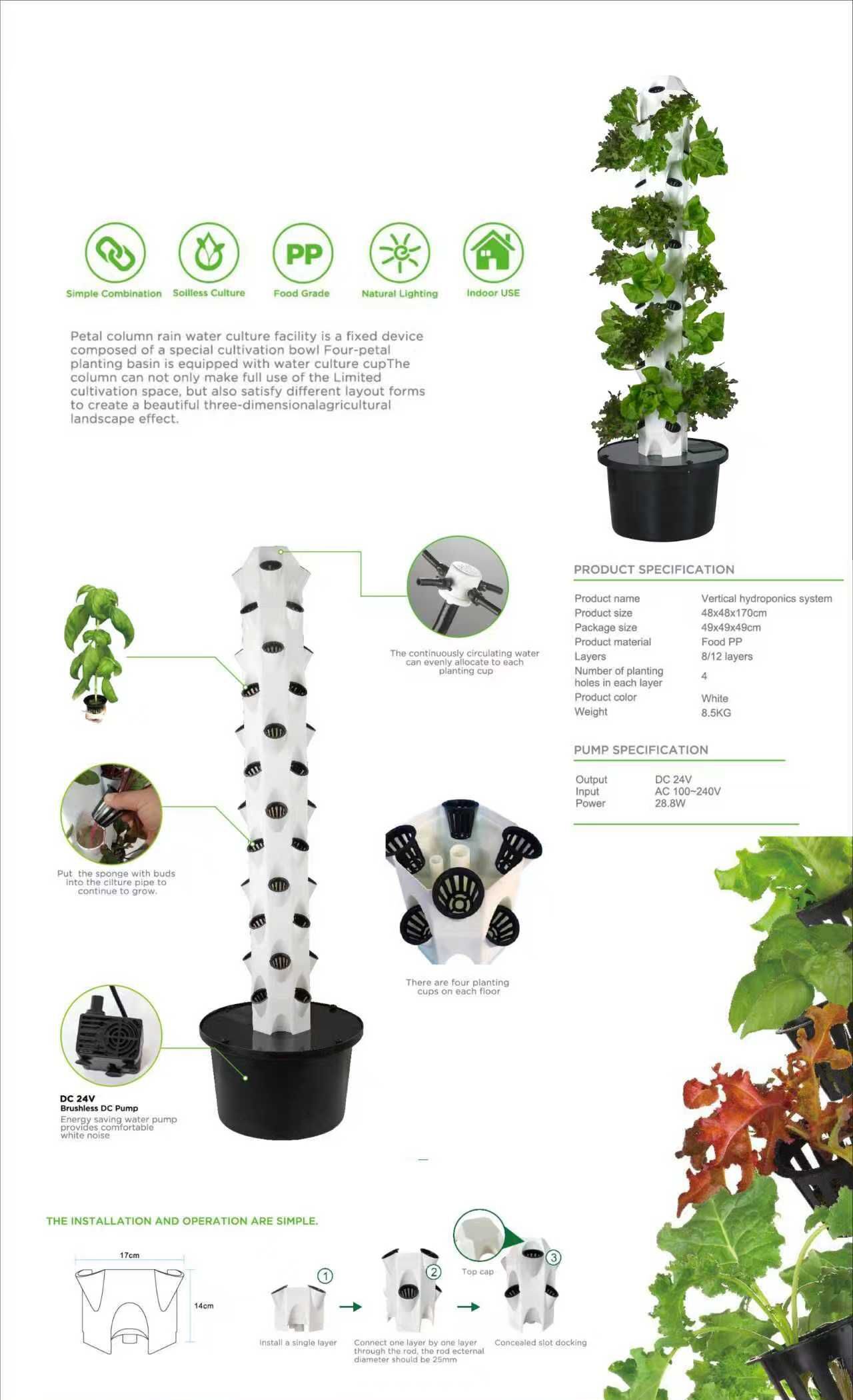
Contact NextWave at info@nextwaveimports.co.nz or +64 27 2840400 with your production goals. Missy and Jonny deliver custom sourcing quotes within 48 hours, inspect products before shipment, and manage logistics end-to-end. As New Zealand’s official Rush Wave and JetFly partner (with products ranging NZ $1,399–$23,700 and 12-month warranty coverage), NextWave applies identical quality standards to hydroponic imports—guaranteed compliance, personal inspection, and direct delivery to your Auckland or national location.
Conclusion
Building a DIY hydroponics system under NZ $100 is achievable and rewarding. Deep Water Culture offers the lowest entry cost, fastest setup, and highest success rate for New Zealand home growers. Start with four to six plants, master daily maintenance (pH, EC, aeration), and expect your first lettuce harvest within 4–6 weeks.
Once validated, scale confidently: leverage NextWave Imports’ 25+ years combining China factory expertise and NZ market knowledge to import professional hydroponic systems at wholesale pricing. NextWave eliminates middlemen, personally inspects every product, ensures full NZ regulatory compliance, and delivers nationwide. From hobby DIY projects to commercial farm operations, NextWave transforms your hydroponic ambition into sustainable, profitable production.
Begin your journey: test your NZ $100 DIY setup today, then contact NextWave Imports (info@nextwaveimports.co.nz, +64 27 2840400, 47 Haseler Crescent, Howick, Auckland) when you’re ready to scale. Your next harvest awaits.
Frequently Asked Questions
Is DWC cheaper than NFT for a hydroponics system under $100?
Yes. DWC eliminates NFT’s expensive multi-line piping and pump systems, costing NZ $100 versus NFT’s NZ $165+. DWC’s simplicity saves approximately 40% on startup costs while delivering comparable or superior yields for beginner growers. Both methods reach full potential with consistent maintenance, but DWC requires fewer components and troubleshooting steps.
What hydroponics setup yields the fastest first harvest for NZ growers?
Lettuce and leafy herbs in DWC systems produce harvestable yields within 4–6 weeks under consistent 14–16 hour lighting. Expect 200–500 grams per plant with proper EC levels (1.2–1.6), pH stability (5.5–6.5), and aeration. Fruiting plants (tomatoes, peppers) require 8–12 weeks and higher nutrient concentration but reward growers with multi-week continuous harvests.
Can I build hydroponics at home in NZ without grow lights?
Outdoor systems work during Auckland and northern NZ summers (December–February) using natural sunlight. However, indoor apartments and winter growing demand supplemental LEDs to achieve commercial-scale yields. Budget NZ $30–$50 for second-hand LED panels; repurposed shop lights suit leafy greens but underperform for fruiting plants. Professional NextWave systems can include integrated grow light solutions—contact for tailored setups.
How does NextWave Imports help scale my DIY hydroponics business?
NextWave provides end-to-end China sourcing: identifying compliant suppliers, negotiating wholesale pricing (30–50% savings), personally inspecting systems before shipment, arranging freight and NZ customs clearance, and delivering nationwide. Dutch Bucket professional systems start at NZ $490; larger configurations accommodate 50+ plants with automated irrigation. Contact info@nextwaveimports.co.nz or +64 27 2840400 for sourcing quotes within 48 hours.
Are DIY hydroponics components compliant with New Zealand water and electrical regulations?
Use food-grade plastic containers only—non-food-grade materials may leach toxins, violating NZ water safety standards. All electrical connections require GFCI-protected outlets and weatherproof casings per NZ electrical code. For commercial operations, NextWave ensures full regulatory certification and provides documentation proving compliance—eliminating regulatory risk when scaling production.