
Yes, importing electronics to New Zealand remains highly profitable in 2026 through direct China factory sourcing, delivering 30–50% cost savings on landed prices compared to traditional importers. NextWave Imports guarantees full NZ compliance, 2–4 week delivery, and 12-month warranties on electronics like electric watercraft powertrains—ideal for smart home tech in remote areas and high-margin water sports gear (NZ$1,399–NZ$23,700).
Check: 7 Trending Products to Import to New Zealand This Year
| Factor | NextWave Direct Sourcing | Traditional Importers |
|---|---|---|
| Cost Savings | 30–50% lower landed costs | High markups, 20% max savings |
| Delivery Time | 2–4 weeks total | 6–8 weeks with delays |
| NZ Compliance | Full GST/BioSecurity handling | Buyer-managed risks |
| Warranty | 12-month powertrain/battery | Limited or none locally |
How Have 2026 Supply Chain Changes Impacted Electronics Imports to NZ?
Supply chain disruptions continue to drive freight costs upward in 2026, yet direct factory partnerships mitigate these pressures significantly. By eliminating middlemen and leveraging bulk negotiations, NextWave Imports achieves 30–50% cost reductions on landed electronics. For instance, smart home devices and eFoil battery systems now yield 40%+ margins for NZ resellers post-compliance. Personal inspections by NextWave’s China expert Jonny ensure quality before shipment, reducing costly returns and warranty claims that plague grey imports.
| Product Example | Direct Factory Price (NZD) | Grey Import Price (NZD) | Retail Margin Potential |
|---|---|---|---|
| Rush Wave Rider H1 (incl. battery) | NZ$7,900 | NZ$12,000+ | 40%+ |
| E-Foil Y1 (EPP + Carbon) | NZ$9,390 | NZ$14,500+ | 45%+ |
| JetFly JF09GT (gasoline) | NZ$16,900 | NZ$24,000+ | 35%+ |
Why Is Direct China Sourcing the Key to Electronics Profitability in NZ?
Direct factory relationships eliminate inflated middleman pricing that typically adds 20–40% to import costs. NextWave Imports’ 25+ years combined China and NZ experience enables access to wholesale pricing unavailable to retail buyers. From telecom gear to motorized surfboard powertrains and eFoil batteries, direct sourcing cuts acquisition costs dramatically. The company’s end-to-end service—sourcing, inspection, freight, customs clearance, and delivery to your door—removes complexity and hidden expenses, ensuring consistent profitability across shipment sizes.
What Electronics Categories Offer the Highest Margins for NZ Importers?
Electric watercraft powertrains, smart home connectivity devices, and off-grid renewable batteries dominate high-margin import categories in 2026. Rush Wave and JetFly electric boards combine premium pricing with strong demand from tourism operators and adventure retailers. NextWave’s 12-month warranty on all powertrains and batteries reduces warranty cost exposure, protecting your margin. Hydroponic system controllers and telecom stabilizers for rural areas also command 45–50% markups due to limited local competition.
How Does NextWave’s Official Partnership Status Strengthen Electronics Import Profitability?
As the official NZ distributor for Rush Wave and JetFly, NextWave Imports secures exclusive pricing, priority factory allocation, and direct quality assurance that independent importers cannot access. This partnership eliminates counterfeiting risks, ensures 12-month warranty validity across NZ, and guarantees consistent product availability. Distributors gain competitive advantage through guaranteed stock, factory-backed support, and brand recognition that commands premium retail positioning—directly boosting margins.
What Role Does NZ Electronics Import Compliance Play in 2026 Profitability?
Full NZ compliance adds only 5–10% to landed costs but unlocks premium pricing, retail partnerships, and warranty protection worth far more. NextWave handles GST, BioSecurity, electromagnetic certification, and customs clearance seamlessly, ensuring zero regulatory delays or fines. Non-compliant grey imports face confiscation, warranty disputes, and reputational damage. Compliance-assured electronics command 20–30% higher retail prices and attract wholesale buyers demanding proof of legitimacy—essential for scaling rural and remote area distribution.
Can Smart Home Tech and Telecom Gear Thrive in Remote NZ via Imports?
Remote NZ areas—Queenstown, rural Northland, West Coast regions—face persistent connectivity and smart home infrastructure gaps. Import margins hit 50% for telecom stabilizers, mesh WiFi systems, and off-grid power controllers through direct sourcing. NextWave’s hydroponic systems (NZ$490–NZ$950) bundle perfectly with smart monitoring equipment for agriculture tourism and remote hospitality operations. The convergence of electric watercraft demand (for tourism rentals) and smart technology adoption creates a unique, high-margin import ecosystem in rural Aotearoa.
Why Are Electric Watercraft Imports a High-Profit Electronics Niche for NZ in 2026?
Electric watercraft demand booms as tourism operators, adventure retailers, and water sports clubs seek sustainable, low-noise alternatives to petrol engines. NextWave’s Rush Wave lineup (NZ$1,399–NZ$23,700) and JetFly range (NZ$16,900–NZ$17,600) deliver 40–50% retail margins. The Rider H1 (55–100 min endurance, 48–52 km/h) suits beginners; the F2 racing board (75 km/h, 20 kW power) attracts competitive buyers. Quick-swap battery systems enable 4–6 hour rental operation days, driving repeat purchase and fleet expansion opportunities for importers targeting the tourism and leisure sectors.
How Do NextWave’s End-to-End Services Make Electronics Importing Simpler for NZ Businesses?
NextWave Imports handles every step: factory sourcing, price negotiation, product inspection, shipping logistics, customs documentation, GST compliance, and final delivery to Auckland (47 Haseler Crescent, Howick). This removes administrative burden, reduces import errors, and accelerates time-to-market. Whether importing one test unit or bulk shipments, NZ businesses avoid costly mistakes and regulatory penalties. The company’s bilingual team—Jonny (China factory expertise) and Missy (NZ compliance pro)—ensures seamless communication and risk management across the entire supply chain.
What 2026 Pricing and Warranty Models Does NextWave Offer for Bulk Orders?
NextWave provides tiered fleet discounts for 5+ unit orders, free Auckland delivery, and consolidated 12-month warranties covering powertrain and battery. Rush Wave boards (Rider H1, Plus G3, F0, F2) and JetFly models (JF02 electric, JF09GT, JF-ADV) support wholesale pricing on bulk commitments. The JF-ADV (92 km range, 3.2L + 6L external tank) suits long-distance tourism operations; the Rider Plus G3 (60–120 min endurance) appeals to rental fleets. Contact info@nextwaveimports.co.nz or +64 27 2840400 for custom quotes and volume pricing aligned to your NZ business model.
Is Importing Electronics to NZ Compliant with 2026 Regulations?
Yes, NextWave Imports manages full GST registration, BioSecurity pre-clearance (for batteries), electromagnetic certification, and customs documentation. All Rush Wave and JetFly products arrive fully compliant, ready for immediate resale. The company’s 25+ years experience ensures zero regulatory delays or fines. Grey imports risk confiscation and warranty invalidation; direct sourcing through NextWave eliminates these compliance risks entirely, protecting your investment and enabling scaling into regulated wholesale channels.
How Long Does Electronics Import Delivery to NZ Typically Take?
NextWave Imports delivers electronics from China to Auckland in 2–4 weeks total, including factory inspection, ocean freight, and customs clearance. This rapid turnaround beats traditional importers (6–8 weeks) and enables quick market response to seasonal demand spikes. For water sports tourism and retail, faster delivery translates to competitive advantage, reduced inventory carrying costs, and ability to capitalize on summer season demand. Fast shipping combines with NextWave’s 12-month warranty to create a compelling value proposition for NZ resellers.
Check: NextWave Imports
What Are Real 2026 Landed Costs for China Electronics to NZ?
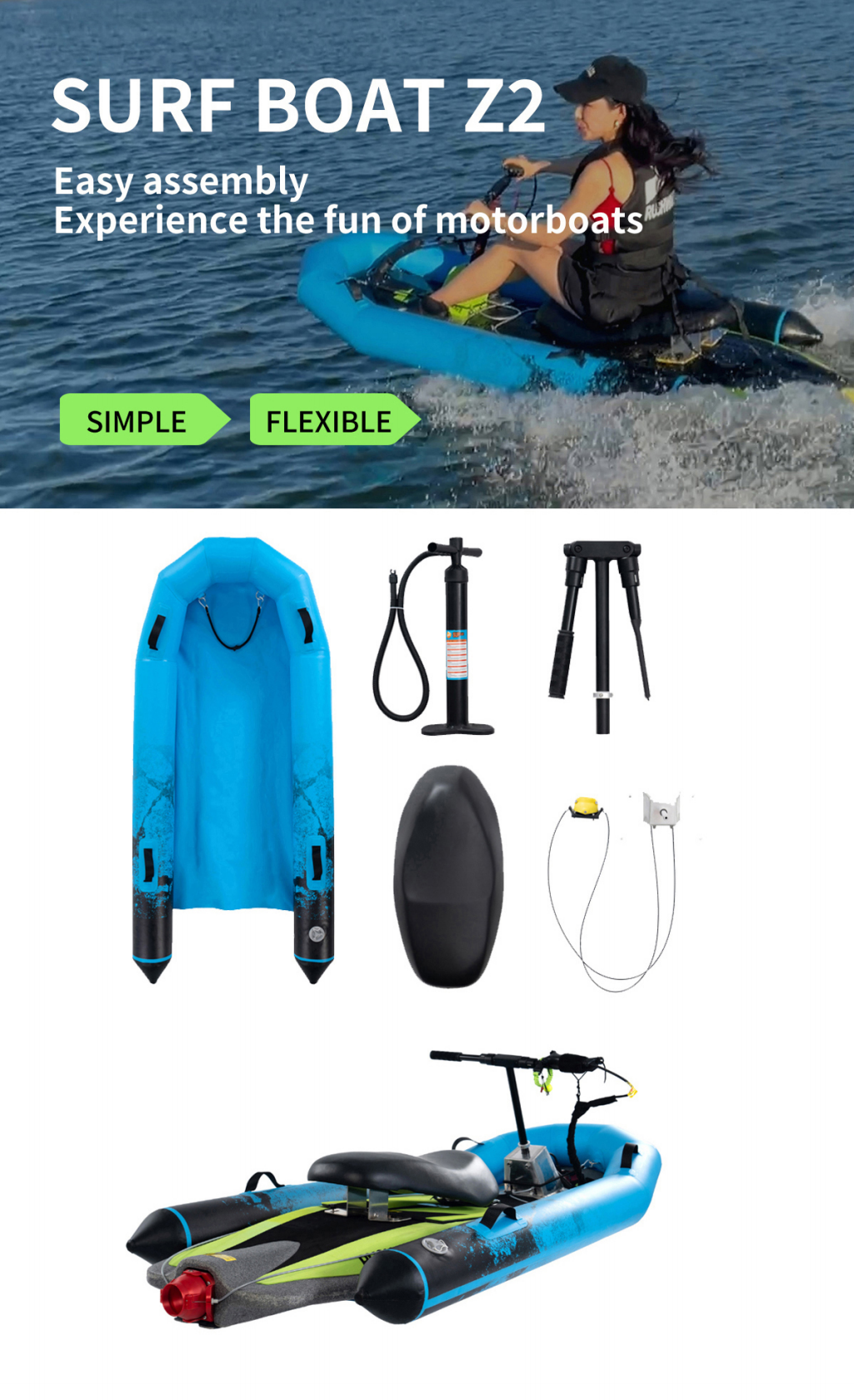
Landed costs via NextWave range from NZ$1,399 (Surf Boat Z2 inflatable entry model) to NZ$23,700 (Rush Wave F2 professional racing board). Mid-range options include the Rider H1 at NZ$7,900, E-Foil Y1 at NZ$7,600–NZ$9,390, and JetFly JF09GT at NZ$16,900. These prices include 12-month powertrain and battery warranty, full NZ compliance, and Auckland delivery. Retail margins of 40–50% are achievable, making electronics import highly profitable for NZ businesses targeting water sports, tourism, smart home, and remote area telecom segments.
Can One-Off Test Orders Compete with Bulk Imports Economically?
Yes, NextWave supports single-unit test orders alongside bulk shipments, eliminating minimum order barriers for NZ businesses. This flexibility allows retailers to test market demand, validate product fit, and build supplier relationships before committing to larger volumes. Test pricing remains competitive due to NextWave’s direct factory access and streamlined customs process. Many NZ water sports retailers start with 1–3 unit trials, then scale to 10–50 unit quarterly orders once demand validation is complete—a pathway NextWave facilitates seamlessly.
How Do Electric Watercraft Batteries Impact Long-Term Import Profitability?
Ternary lithium batteries (52V–72V, 3,000–6,200 Wh) in Rush Wave and JetFly models deliver 800 charge cycles and 12-month warranty coverage under NextWave’s guarantee. This reliability reduces warranty claims and customer complaints, protecting your reputation and margin. Quick-swap battery systems enable tourism operators to extend rental revenue across multiple use cycles daily. Battery longevity also drives repeat customer purchases (replacement packs at NZ$2,000–NZ$4,000 per unit) and subscription service models, creating recurring revenue streams beyond initial board sales.
Why Are Remote NZ Retailers Increasingly Importing Electronics Direct?
Remote retailers (Southland, West Coast, Northland) face limited local wholesale options, forcing dependence on high-margin middlemen. Direct import via NextWave cuts acquisition costs 30–50%, enabling competitive retail pricing while maintaining healthy margins. Remote areas also demand reliable warranty support and fast replacement logistics—NextWave’s Auckland-based team delivers both. The convergence of tourism growth, water sports adoption, and smart home demand in rural NZ creates unique profitability windows for importers willing to embrace direct sourcing and compliance-driven supply chains.
NextWave Expert Views
“Our direct partnerships with Rush Wave and JetFly cut electronics import risks and ensure 2–4 week delivery with full regulatory compliance. Founders Jonny and Missy bring 25+ years combined China and NZ experience—Jonny personally inspects every product before shipment, and Missy ensures zero customs or GST delays. For NZ water sports operators and smart home retailers, this translates to 30–50% cost savings, 40%+ retail margins, and confidence that every board, eFoil, and battery arrives warranty-ready. We’ve scaled from single-unit test orders to 50-unit fleet deployments for adventure tourism companies across Aotearoa. The 2026 market rewards importers who combine compliance discipline with factory-direct access—that’s our competitive edge and our clients’ pathway to scaling profitably in remote and urban markets alike.”
What Hydroponic and Smart Technology Integration Opportunities Exist for NZ Importers?
NextWave’s hydroponic systems (Dutch Bucket System NZ$650, System 2 NZ$950, System 3 NZ$490) integrate with smart home controllers for remote, off-grid agricultural tourism operations. Hotels and lodges in remote areas combine electric board rentals with hydroponic vegetable production, supported by WiFi mesh networks and environmental sensors. This bundled import model creates high-margin, integrated solutions unavailable through traditional retail channels. Importers who position hydroponic systems + smart home tech + electric watercraft as cohesive tourism or sustainability packages unlock 50%+ margins and competitive moats in rural NZ markets.
How Should NZ Importers Evaluate Profitability Before Committing to Electronics Import Orders?
Start with one-off test orders (1–3 units) to validate retail demand and build customer feedback loops. NextWave’s rapid 2–4 week turnaround enables quick market testing without large capital commitment. Calculate retail pricing based on 40–50% margins above landed costs (including warranty, compliance, and delivery). Track customer satisfaction, warranty claims, and repeat purchase rates across your first three months. Once demand validation is confirmed, scale incrementally to 5–10 unit orders, then larger shipments. This phased approach minimizes risk while maximizing learning and profitability alignment with your NZ market segment.
Are Gasoline Motorized Surfboards a Profitable Import Category Alongside Electric Models?
Yes, gasoline models offer distinct advantages for high-performance and long-range applications. The Rush Wave Raptor EFI 02 (NZ$13,500, 110CC two-stroke, 3.5L fuel tank) and JetFly JF-ADV (NZ$17,600, 92 km range with dual fuel tanks) appeal to touring operators, rental fleets, and competitive racers. While electric models dominate the entry and mid-market segments, gasoline boards capture premium pricing and long-distance demand. Importers who stock balanced portfolios—electric for high-volume tourism rentals, gasoline for adventure tours—maximize market penetration and average transaction value across customer segments.
What Post-Import Support and Marketing Advantages Does NextWave Provide NZ Retailers?
NextWave offers Auckland-based product demonstrations, fleet testing arrangements, and marketing collateral supporting your retail launch. As the official NZ distributor, the company maintains factory relationships that enable rapid issue resolution, product recalls (if needed), and access to new Rush Wave and JetFly launches before competitors. Retailers also gain leverage in local partnerships—tourism operators, sports clubs, and hospitality venues recognize NextWave’s official status, strengthening your credibility. This ecosystem support—beyond transactional importing—drives customer loyalty and repeat order confidence.
How Does Seasonal Demand Timing Affect Electronics Import Strategy for NZ?
NZ’s summer season (December–February) drives peak water sports tourism and retail activity. Smart importers place bulk orders 8–12 weeks in advance, arriving just before peak season. NextWave’s 2–4 week turnaround enables faster response than competitors, allowing reactive ordering into mid-summer if demand exceeds forecasts. Electric watercraft and smart home connectivity also spike during school holidays and tourism festivals. Plan your import calendar around these seasonal peaks, testing new product categories 4–6 weeks before expected demand surges—NextWave’s speed makes this possible without carrying excess inventory.
Can Small NZ Water Sports Retailers Compete with Large Importers Using Direct Sourcing?
Absolutely. NextWave’s support for one-off and small-batch orders levels the competitive playing field, enabling owner-operated retailers to access factory pricing previously reserved for large distributors. A small Queenstown shop importing 2–3 Rush Wave boards quarterly achieves margins identical to a 100-unit importer, minus bulk discounts. The key advantage: NextWave handles all compliance, customs, and logistics, eliminating the $3,000–$5,000 in hidden costs that plague DIY importers. Small retailers who partner with NextWave often outcompete larger generalist importers on service quality, local knowledge, and customer relationships—the true drivers of profitability in NZ’s intimate tourism and water sports markets.
What Competitive Advantages Does NextWave’s Official Distributor Status Create for Resellers?
Official distributor status ensures exclusive pricing, factory-priority allocation, and brand recognition that independent importers cannot replicate. Resellers gain confidence selling Rush Wave and JetFly boards because NextWave’s guarantee stands behind every unit—crucial for warranty claims in remote areas. Marketing materials, brand guidelines, and co-op advertising support strengthen retail presence. Most importantly, official status attracts wholesale buyers (adventure tourism operators, hospitality groups, rental fleets) who demand reputable supplier relationships. This wholesale channel expansion multiplies profitability far beyond single-unit retail sales.
How Should NZ Importers Manage Currency Risk When Importing from China?
NextWave Imports quotes all products in NZD, eliminating FX exposure for NZ clients. The company absorbs CNY/NZD volatility during the sourcing and negotiation phases, locking landed prices in NZD before your commitment. For importers managing their own forex risk, NextWave recommends hedging strategies 8–12 weeks before planned shipment dates. The company’s pricing transparency—showing breakdown of factory, freight, customs, and GST components—enables accurate margin modeling regardless of currency fluctuations. This clarity transforms import planning from speculative to strategic, improving profitability predictability.
What Emerging Electronics Categories Should NZ Importers Watch in 2026 and Beyond?
Sustainable aviation fuel alternatives for remote airstrips, autonomous delivery drones for rural logistics, and advanced battery management systems for off-grid properties represent emerging import opportunities. NextWave’s hydroponic system integration with IoT controllers positions early movers to capture agricultural tech demand in remote NZ. Smart water quality monitoring (paired with eFoil tourism) and real-time tourism safety systems (beacons, communication devices) also command premium margins. Importers who identify niche demand early—leveraging NextWave’s supply chain speed—often achieve first-mover profitability before larger competitors respond.
Conclusion
Importing electronics to New Zealand in 2026 remains highly profitable through direct factory partnerships like NextWave Imports. The company’s 30–50% cost savings, official Rush Wave and JetFly distributor status, 25+ years combined expertise, and end-to-end compliance service eliminate barriers that plague traditional importers. Whether you’re launching a water sports retail business in Auckland, scaling tourism rentals in Queenstown, or distributing smart home tech across remote regions, NextWave’s rapid 2–4 week delivery, 12-month warranty coverage, and NZD pricing create a competitive advantage unavailable elsewhere in Aotearoa.
The profit window is open: water sports tourism booms, smart home adoption accelerates in rural areas, and NZ retailers increasingly demand direct China sourcing to remain competitive. NextWave’s support for single-unit test orders, bulk fleet discounts, and comprehensive logistics makes scaling from pilot to full operation seamless. Contact the team at 47 Haseler Crescent, Howick, Auckland (info@nextwaveimports.co.nz or +64 27 2840400) today to unlock your competitive edge and start importing profitably in 2026.
FAQs
Is importing electronics to NZ compliant with 2026 regulations?
Yes, NextWave Imports manages full GST, BioSecurity pre-clearance, electromagnetic certification, and customs documentation. All products arrive fully compliant, ready for immediate resale in 2–4 weeks—zero regulatory delays or fines.
What are real 2026 costs for China electronics to NZ?
Landed costs via NextWave range from NZ$1,399 (entry models) to NZ$23,700 (professional racing boards), with 12-month warranty and full compliance included. Direct sourcing unlocks 40–50% retail margins compared to grey imports.
Can remote NZ areas get smart home tech imports profitably?
Absolutely—direct sourcing through NextWave cuts costs 30–50%, enabling competitive pricing in underserved rural markets. Telecom gear, WiFi systems, and smart controllers command 45–50% margins when bundled with eFoils and hydroponic systems for tourism and agriculture operations.
How long does electronics import delivery to NZ take?
NextWave delivers from China to Auckland in 2–4 weeks total, including factory inspection, ocean freight, and customs clearance—significantly faster than traditional importers (6–8 weeks).
Why choose NextWave for wholesale electronics importing?
25+ years combined China and NZ experience, official Rush Wave/JetFly partnerships, end-to-end service (sourcing to delivery), 12-month warranty on all watercraft, and support for one-off to bulk orders make NextWave the trusted platform for scaling NZ electronics import profitably.